medical

California Poppies (Eschscholzia californica)

Hail and well met, everyone!

So, I’ve been posting here and uploading largely separate content on my YouTube channel (https://www.youtube.com/Ethnobotanicam). I’m experimenting with still posting on the various platforms I currently use (Youtube, Instagram and the like), but cross-posting here as a method of aggregating all my botanical content into one place. Let me know what you think. Have a fab day, everyone, and happy LGBTQ+ Pride Month.

Kate

science #ethnobotany #poppies Today, we're exploring the fascinating world of the California Poppy (Eschscholzia californica). It is used medicinally, as a food source, and as decor. ------------------------------------------ Source for opium poppy image: Daniel Borker on pixabay.com (https://pixabay.com/photos/opium-poppy-poppy-poppy-flower-2560032/) All other video and photographic content is my own.

Dandelion: Healing Your Gut Since 659 B.C.E.

Dandelion: Healing Your Gut Since 659 B.C.E.

One of the most commonly seen and often unwelcome plants, the dandelion (Taraxicum officinale), is relatively easily distinguishable with its iconic, serrated or toothed leaves and domed flower heads .

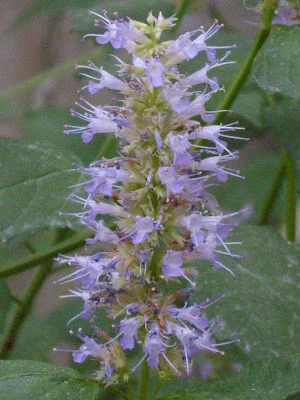
Giant Hyssop (Agastache rugosa)

Giant Hyssop (Agastache rugosa)

Purple Giant Hyssop, Wrinkled Giant Hyssop, Korean Mint, Blue Licorice, huò xiāng (藿香), bangsnnip (방아잎), Patchouli herb--whatever regional name is chosen, they all refer to the same plant: Agastache rugosa (Fisch. & C.A.Mey.) Kuntze.  For purposes of this post, the two most abundant names I found were (Purple) Giant Hyssop and Korean Mint, hence the top-title billing.